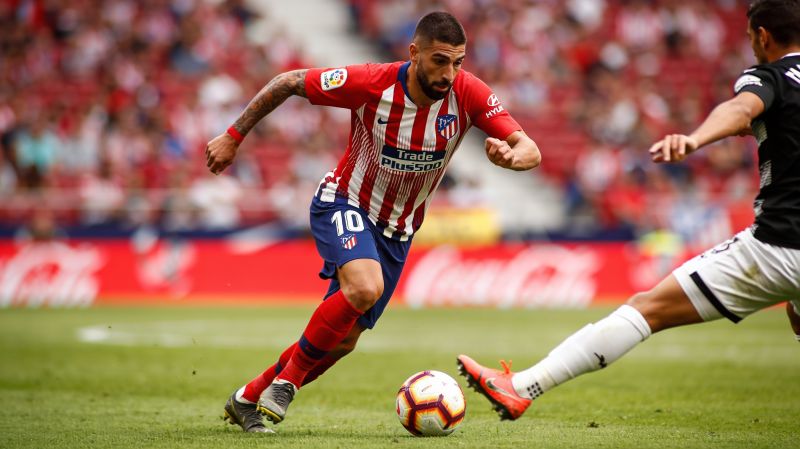
“We Are One (Ole Ola)” is not a song that invites quiet reflection. It hits you like a wall of percussion, a deliberate fusion of Pitbull’s club-ready swagger, Jennifer Lopez’s pop sheen, and Claudia Leitte’s Brazilian brass. The theme song for the 2014 FIFA World Cup was engineered to be a global adhesive。a three-minute anthem meant to blast from stadium speakers in São Paulo and living rooms in Seoul. Whether it succeeded as art is debatable;as a piece of event branding, it was ruthlessly effective.Listen closely and you hear the blueprint of a modern sports anthem: a chanting hook (“Ole Ola”) that requires no language skills, a drop that mimics the roar of a crowd。and a rhythmic bed of samba-reggae fusion that signals “Brazil” without demanding authentic local genres like choro or frevo. The song’s production credits read like a corporate summit—Dr. Luke and Cirkut, known for sculpting hits for Katy Perry and Kesha, were brought in to polish the edges. The result is a track that feels less like a Brazilian street party and more like a carefully curated playlist for a global television audience. I remember watching the opening ceremony in a crowded bar in Lisbon;when the chorus hit, people who couldn’t name a single Brazilian footballer were clapping along. That’s the point.
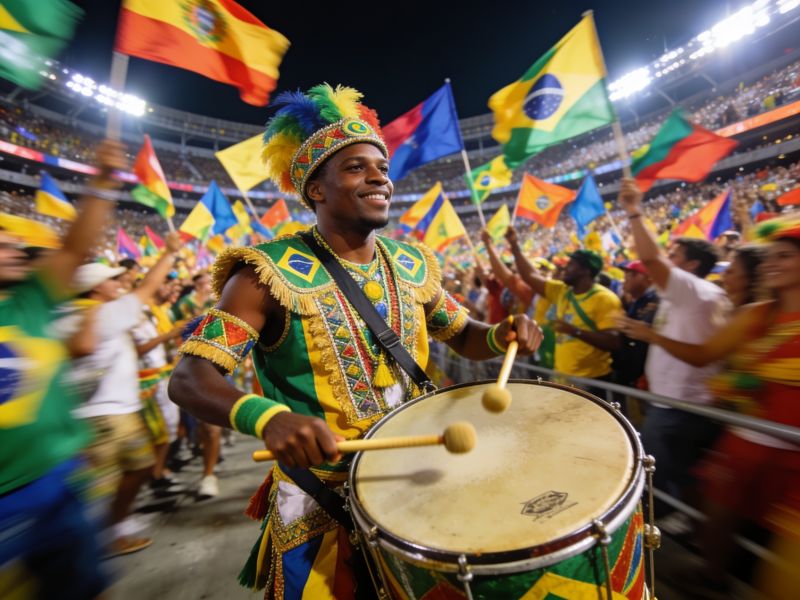
Critics at the time were quick to point out the irony: a World Cup in Brazil, a nation with one of the richest musical traditions on earth。and the official anthem is sung mostly in English by a Cuban-American rapper and a Bronx-born pop star. Claudia Leitte, the sole Brazilian voice, gets a verse and a few ad-libs. The song’s lyrics are a string of unity platitudes—“One love, one heart” “Put your flags in the sky”—that could apply to any international sporting event. This is not a failure of execution but a feature of the genre. The theme song for the 2014 FIFA World Cup had to work in 200 countries, not just one. Authenticity was sacrificed on the altar of accessibility, and I’m not entirely sure that was the wrong call, even if it left a bland aftertaste for those who hoped for something more rooted in Rio’s favelas than a Hollywood mixing desk.
What the song lacks in soul it makes up for in ubiquity. It played during every match broadcast, every highlight reel, every sponsor bumper. By the time Germany lifted the trophy in Rio, “We Are One” had been streamed hundreds of millions of times. Anecdotally, I still hear it at youth soccer tournaments and gym classes—a decade later。it has outlived its tournament. That longevity is rare for World Cup anthems;most fade within a year. The track’s endurance probably comes from its very artificiality: it’s a blank, upbeat slate that can be repurposed for any group celebration. It doesn’t demand you think about Brazil’s political tensions or the protests that shadowed the 2014 games. It just wants you to wave your arms.Judged as a piece of music, “We Are One” is a competent, forgettable pop confection. Judged as a cultural artifact of the 2014 World Cup, it’s a perfect mirror of the event itself: slick, commercial。globalized, and slightly at odds with the host nation’s own voice. The theme song for the 2014 FIFA World Cup was never meant to be a samba classic. It was meant to make a billion people feel included for three minutes. And for better or worse, it did exactly that.