
n the clear, fast-flowing streams of Japan, a small fish with a sweet, watermelon-like aroma has captured the attention of chefs and gourmands for centuries. Ayu, known in English as sweetfish, is not just another river catch;it is a cultural icon whose preparation and consumption are steeped in tradition. Walk into any high-end Japanese restaurant in late summer。
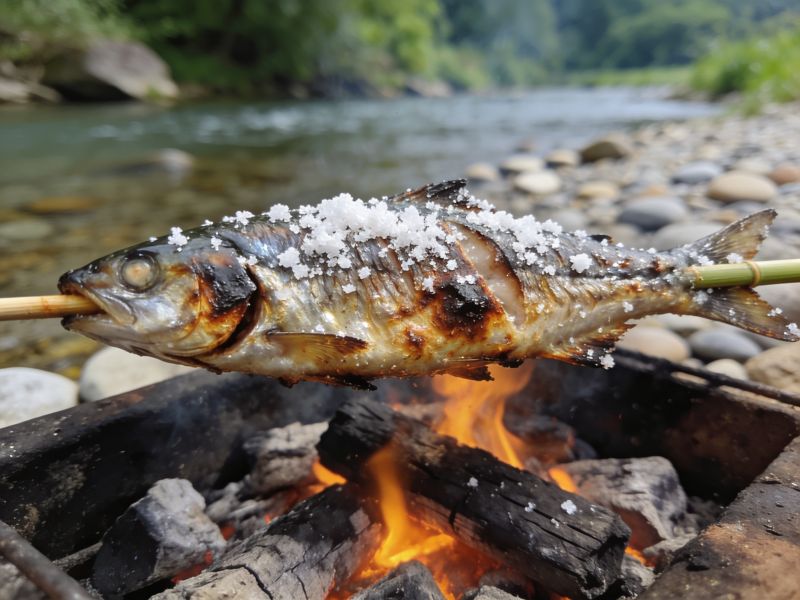
and you might find ayu grilled over charcoal, its skin blistered and its flesh yielding a delicate, slightly bitter flavor that lingers on the palate.The fish's distinct scent comes from its diet of algae, which produces a compound similar to the aroma of watermelon or cucumber. This natural fragrance is so prized that ayu is often served simply—salt-grilled (shioyaki) or skewered and grilled with a sprinkle of salt. In the past, ayu was so abundant that it was used as a currency, and its image appears in ancient poetry and woodblock prints. Today, wild ayu populations have declined, and farmed versions are common。but the reverence remains. I recall visiting a riverside restaurant in Gifu Prefecture, where the chef insisted that ayu should be eaten head-first, the bitterness of the intestines balancing the sweetness of the flesh—a practice that feels almost ritualistic.What makes ayu truly unique is its lifecycle. Unlike salmon, ayu lives for only one year, spawning in autumn and dying shortly after. This ephemeral existence adds a layer of poignancy to its consumption。a reminder of the fleeting nature of seasons. The fish is also known for its territorial behavior, feeding on algae that grow on rocks in clean rivers. This makes ayu an indicator species—its presence signals a healthy ecosystem. However, pollution and habitat loss have threatened many wild populations. In response, communities have organized release programs and strict fishing regulations to preserve the ayu harvest.
Culinary approaches to ayu vary by region. In Kyoto, it is often prepared as a sweet simmered dish (tsukudani) or served raw as sashimi, though the latter is rare due to the risk of parasites. In rural areas, ayu is skewered and grilled over an open fire, then dipped in a tart vinegar miso sauce. The intestines, which have a distinct bitterness, are considered a delicacy. I have also seen ayu used in tempura, where the entire fish—head。bones, and all—is battered and fried, creating a crunchy, flavorful bite. For those who prefer a milder taste, the fish can be dried and used to make a rich dashi broth.The appreciation of ayu is not just about flavor;it is about the experience. Fishing for ayu using traditional methods like cormorant fishing (ukai) or the decoy method (ayu-kake) is a summer tradition in many Japanese towns. These practices, passed down through generations, highlight the deep connection between the fish and local culture. As a chef once told me, ayu is not a fish you eat to fill your stomach;
it is a fish you eat to remember the river, the season, and the hands that caught it. That sentiment, perhaps。explains why ayu remains a beloved symbol of Japanese culinary heritage despite its modest size.